Best for
Migration, big landscapes, remote wilderness, bush and beach
Best time
Jun – Oct (dry season); Dec – Mar (calving in the south)
Capital
Dodoma — Dar es Salaam is the largest city
Languages
Swahili, English
Currency
Tanzanian Shilling (TZS)
From the Serengeti's endless plains to the Ngorongoro Crater and the quieter wilderness of the south, Tanzania is made for travellers who want scale, wildlife and a sense of true escape.
Nearly a third of Tanzania is under protection, and much of that wilderness is unfenced. It is the definition of scale — the Great Migration thundering across the Serengeti, an ancient caldera sheltering one of the densest concentrations of wildlife on Earth, and southern parks where you can go a day without seeing another vehicle.
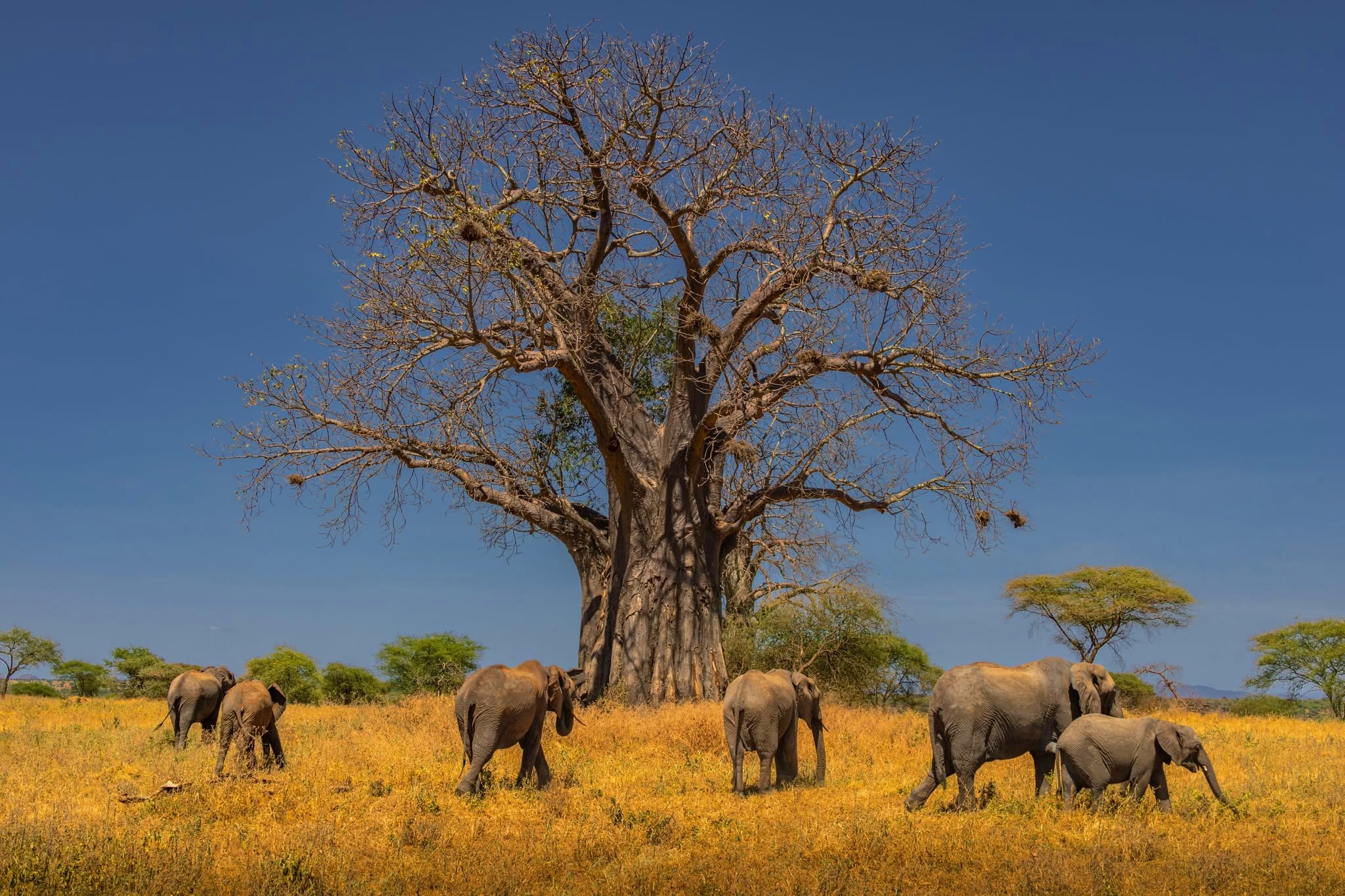
From the baobab valleys of Tarangire to the wild rivers of the south and the spice-scented shores of Zanzibar, Tanzania carries the full spectrum of an East African journey.

One of the world's great natural events, moving through the ecosystem all year.

A collapsed caldera holding permanent water, grazing plains and wildlife year-round.

Ruaha and Nyerere — roadless country, big predators and near-total privacy.
“Tanzania is at its best when you give it time. Rather than rushing from one famous name to the next, we pair two or three regions that contrast in mood, landscape and pace.”
Our View
Out2Safari Safari Expert
Where to go
Each region of Tanzania offers a different safari. Open one to see what it's like on the ground.

The Great Migration
Follow the herds and the river crossings through the ecosystem.
Remote safari
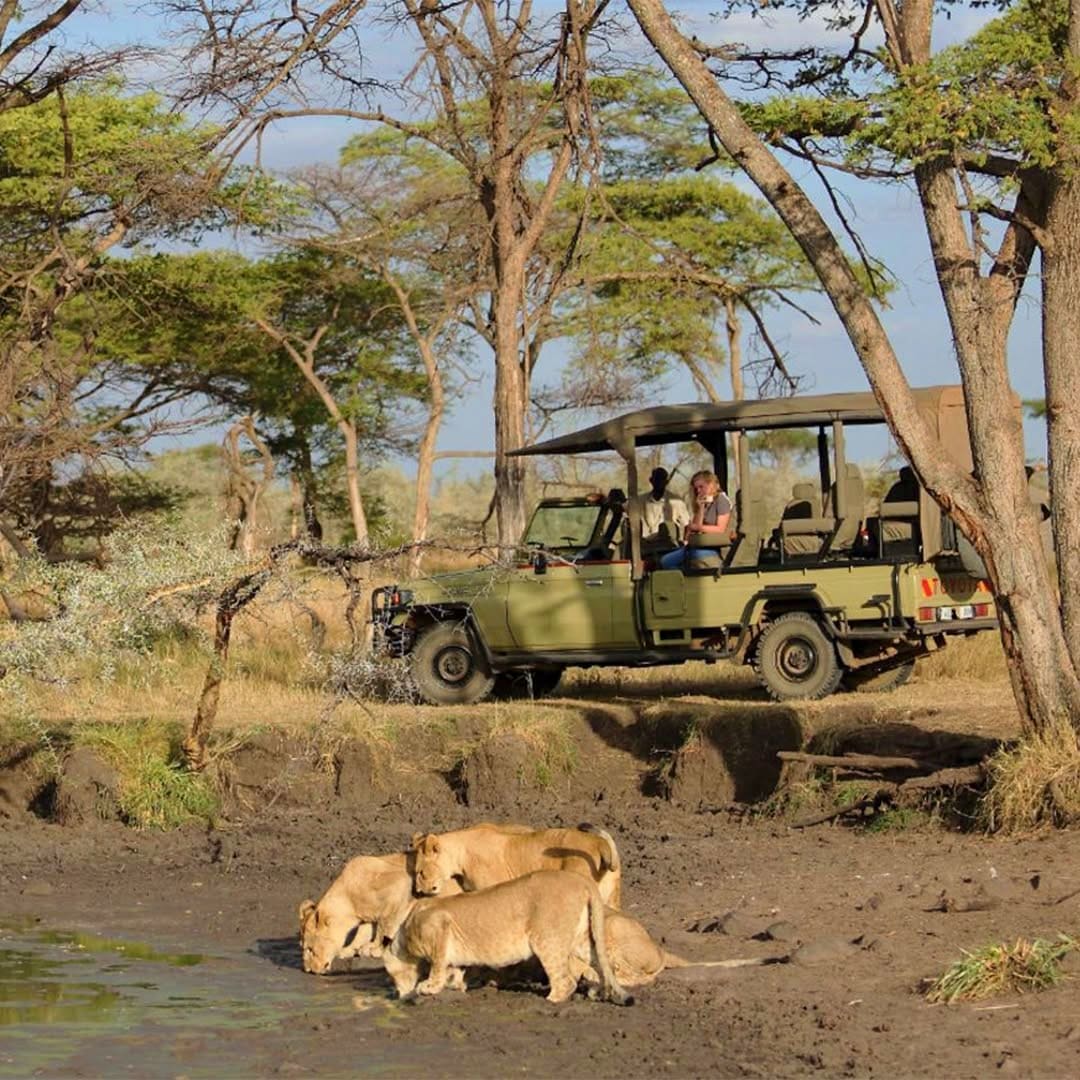
Escape the circuit entirely in Ruaha and Nyerere.

Boat safari
Wildlife from the water along the Rufiji and the southern rivers.

Bush and beach
Pair the plains with Zanzibar's reefs and white sand.

Walking safari
Cover ground on foot with an armed guide and no vehicle noise.

Balloon safari
Sunrise over the Serengeti and a champagne bush breakfast.
Wildlife you can expect
Tanzania rewards time. Two or three regions that contrast in mood and pace beat a dash between famous names — and it combines beautifully with Kenya, Rwanda or Zanzibar.
Prime viewing. Cool mornings, warm days, river crossings in the north.
Short bursts of rain, lush landscapes and fewer crowds.
Calving in the southern Serengeti — predator action and newborns.
Heavier rain, quieter parks and beautiful green scenery.
Before you go
Weather & Climate
A blend of warmth and variation shaped by altitude. The coast is tropical and humid; western and southern regions are warm but drier; inland highlands are cooler, with genuinely chilly nights.
Visas
You need a visa to travel to Tanzania. Your dedicated travel concierge will guide you through the application process.
Vaccinations
Yellow fever and malaria precautions are recommended. Consult your provider well in advance, as some preventative treatments need to begin before you travel.
Family friendliness
A family-friendly safari destination, though the travel distances involved mean we generally recommend children aged six and above.
Safety
Tanzania is safe to visit, particularly on an organised safari. Close to a million travellers visit every year and the great majority of visits are trouble-free.
 From $14,635 PPS
Tanzania
 From $15,000 PPS
Tanzania
 From $12,000 PPS
Tanzania
 From $10,105 PPS
Tanzania
The questions we're asked most. Anything else, just ask us directly.
Tell us what excites you
Every journey we design is built around the things you actually want to do. Tell us what those are and we'll shape the rest.